From the practice
Notes on evidence and oral health
Evidence matters, and individual assessment matters. These articles take common claims about dentistry and health and check them against what the research actually shows.
Browse by topic: Dental Emergencies · Oral Health & Whole Health · Gum Health · Everyday Care & Prevention · Treatments, Explained · Kids & Family · Our Standards for Safety and Privacy
Everyday Care & Prevention
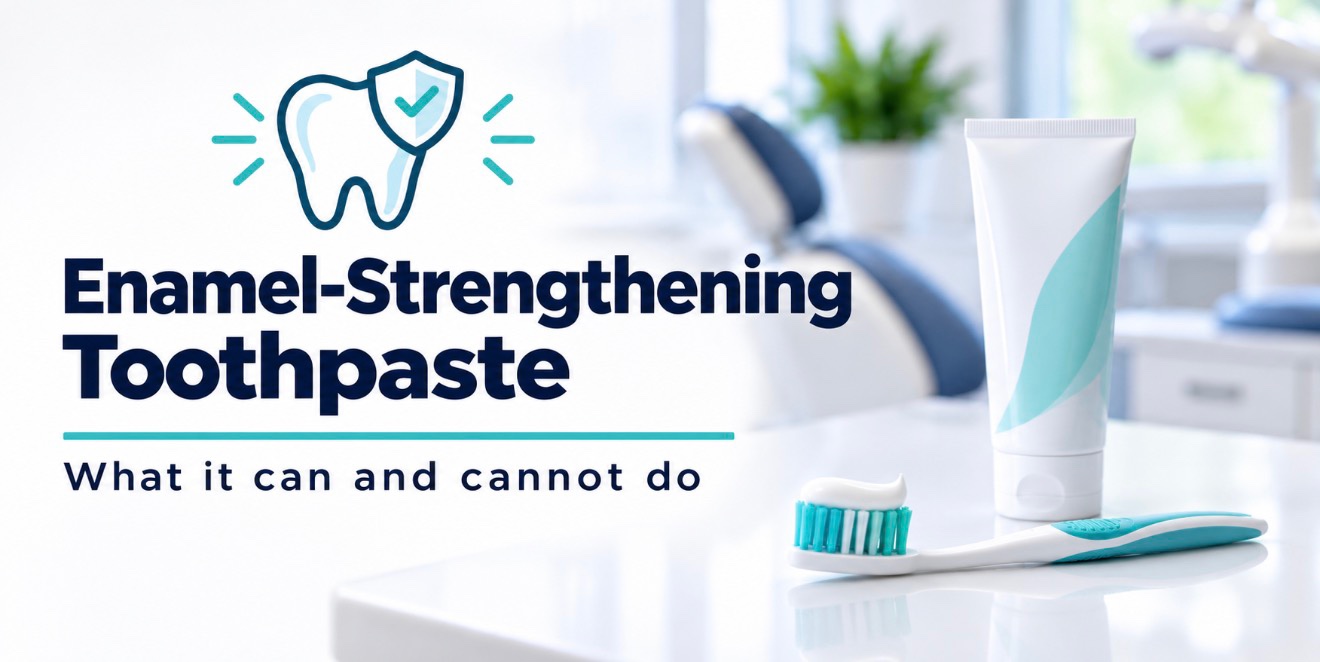
Enamel-Strengthening Toothpaste: What It Can and Cannot Do
Fluoride toothpaste can help repair early mineral loss and lower cavity risk, but it cannot regrow enamel that has worn away or fill a hole in a tooth. What enamel-strengthening claims mean, what the hydroxyapatite evidence shows, and how to read the label.
Fluoride in Drinking Water: What the Evidence Shows
Fluoride in drinking water is in the news again. Here is what the evidence shows at 0.7 mg/L, the level used in the United States.
Why does my calculus seem to build up faster than my friends and family?
It can feel unfair when a friend who barely flosses gets a clean report and you, doing everything right, are told you have heavy tartar again. Saliva composition is an important part of why visit results differ between people, and it is why your care should be assessed on your mouth, not someone else's.
Toothpaste, Mouth Rinse, and Floss: How Common Products Compare With ADA Recommendations
The ADA recommends brushing twice a day with fluoride toothpaste and cleaning between the teeth once a day. How common toothpastes, mouth rinses, and products for cleaning between the teeth compare with those recommendations, and how to read their labels.
Water Flosser or String Floss: What the Evidence Shows
Water flosser or string floss? How each tool cleans, what the trials and systematic reviews found, and how to choose the one that fits your mouth.
Nano-Hydroxyapatite Toothpaste and Safety: What the European Review Found
What the European safety review of nano-hydroxyapatite in toothpaste and mouthwash actually assessed, what it found about uptake and dissolution, and what its conclusions do not cover.
Treatments, Explained
How Tooth Bleaching Works
Bleaching is a chemical process inside the tooth, not a coating or a polish. How peroxide lightens teeth, why it takes repeated sessions, why fillings and crowns do not lighten to match, and why teeth get sensitive while it happens.
Getting Numb at the Dentist: What to Expect
What we use to get you numb at our office: benzocaine (Candi-Caine) gel first, then lidocaine (Xylocaine), articaine (Septocaine), or mepivacaine (Carbocaine). Which teeth and areas each injection numbs, why your lip or tongue can feel numb too, how long the numbness lasts, and when to call us.
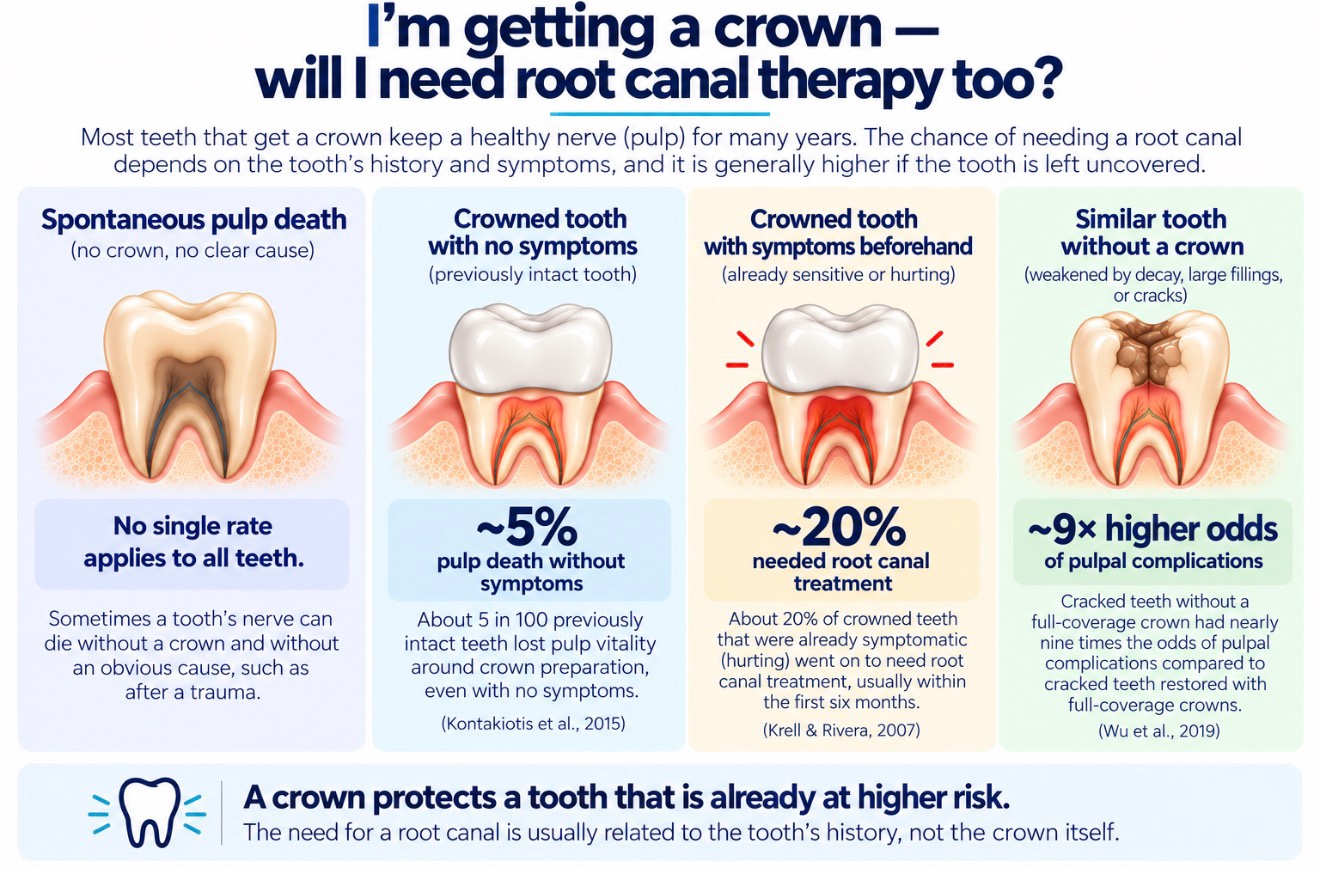
I'm getting a crown, will I need a root canal too?
It is frustrating to be told a crowned tooth now needs a root canal. The research points to a consistent explanation: a tooth that needs a full crown has usually been stressed for years by decay, large fillings, or cracks, and its pulp was often already compromised before the crown was made. What the studies show about how often this happens, why, and what the alternative risks look like.
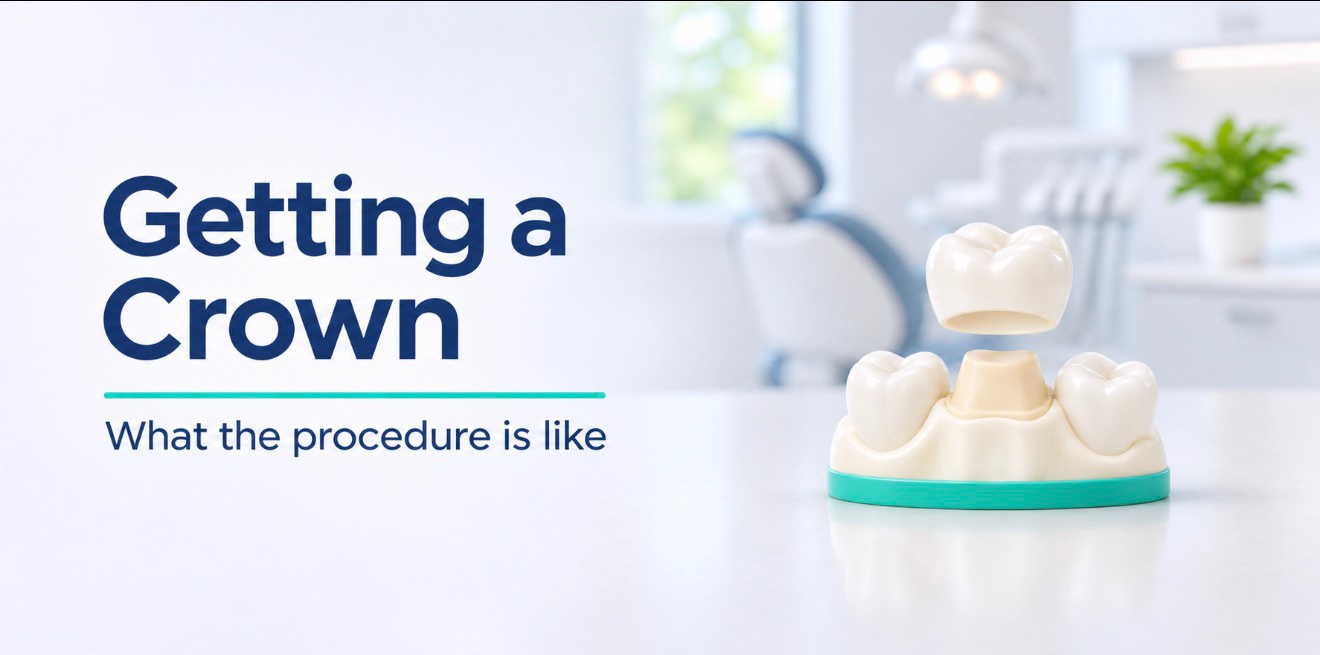
Getting a Crown: What the Procedure Is Like
What happens at each crown appointment at our office: the first visit, when we numb and shape the tooth, take a digital scan and place a temporary crown, and the second visit, when the lab-made crown is checked and cemented. What the temporary weeks are like, what is normal afterward, and when to call us.
Our Standards for Safety and Privacy
Your Records, Your Rights: What HIPAA Means at the Dentist
HIPAA is the federal law that protects the privacy of your health information and gives you rights over your records, including seeing them, getting copies, and asking for corrections. What that looks like at our office.
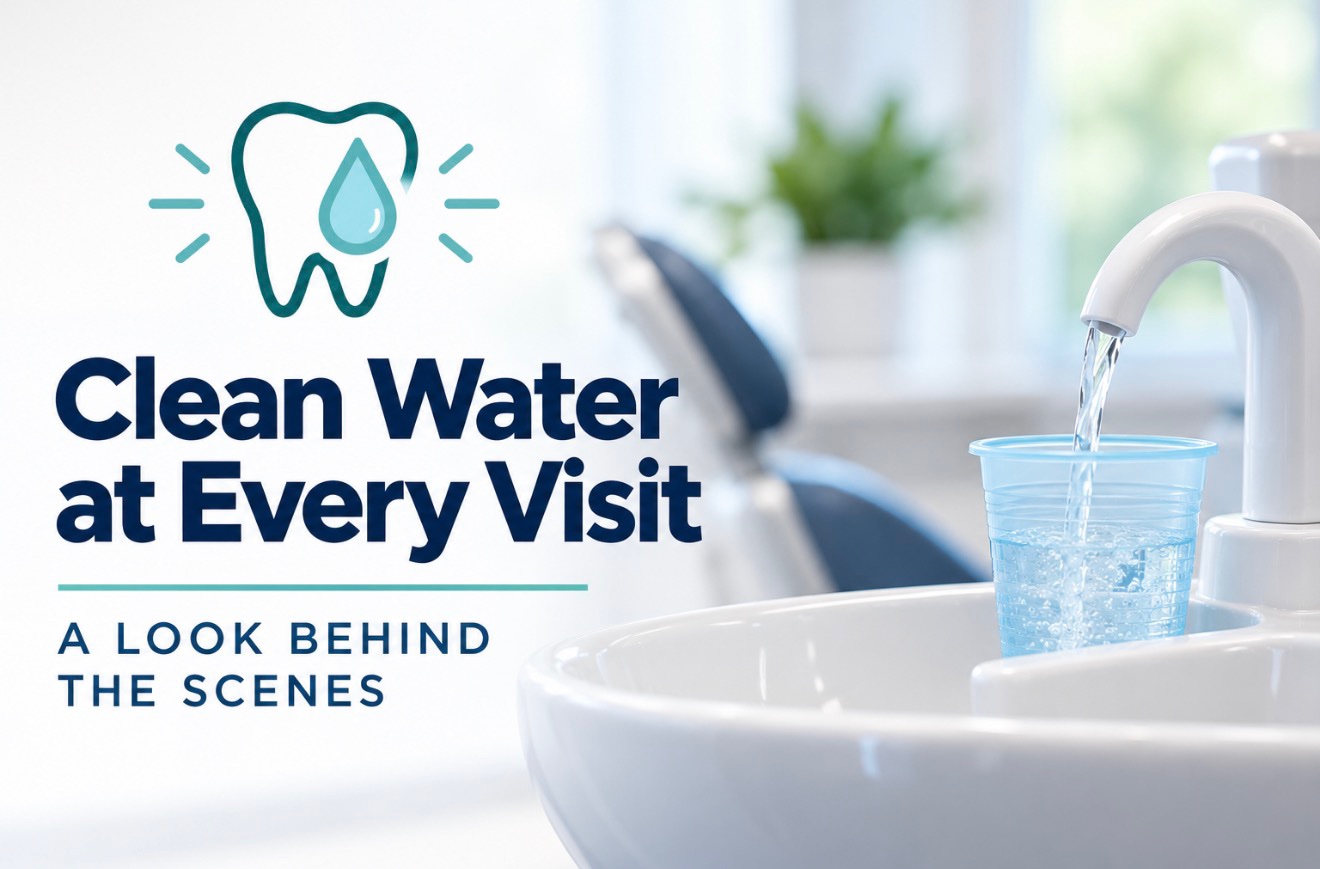
Clean Water at Every Visit: A Look Behind the Scenes
Dental treatment water should meet the same standard as drinking water. How our office maintains its waterlines, tests every line every quarter, and keeps a written record of the results.
How the ADA Helps Protect Patients
What the ADA does that protects patients: the Seal of Acceptance, evidence-based guidelines, accreditation and board examinations, and its ethics code, and the limits of each.